Stagecoach 2026 Lineup Content Strategy: The Media Blueprint
Build a Stagecoach 2026 lineup content strategy with AI workflows, verified set times, and brand voice protection for festival media teams.
On This Page
Search Intent
People Also Ask
Where is the Stagecoach Festival 2026 located?
Who are the headliners for the Stagecoach 2026 lineup?
Where can teams verify Stagecoach 2026 set times?
How can brands execute an effective Stagecoach 2026 lineup content strategy?
How does the global livestream affect Stagecoach 2026 engagement?
Is Stagecoach bigger than Coachella?
Stagecoach is no longer just a country music festival. It is a massive digital activation event that demands a high-velocity publishing response. Across the April 24-26, 2026 weekend at the Empire Polo Club, the volume of social media noise and search demand creates a publishing window that manual editorial teams can no longer manage alone. Your success in capturing this audience depends on more than just knowing the names on the poster. It requires a resilient Stagecoach 2026 lineup content strategy that balances the need for immediate reporting with the necessity of brand protection. If your media house or brand team is still relying on traditional, slow-moving approval loops, you will find yourself buried by creators who have integrated advanced production models into their real-time operations. This is the new standard for festival coverage in the modern era.
Analyzing the 2026 Roster: Crossover Appeal and Content Opportunities
The 2026 roster presents a unique opportunity for crossover engagement. With headliners like Post Malone, Lainey Wilson, and Cody Johnson, the festival is leaning into a diverse mix of traditional country and massive mainstream appeal [1]. Post Malone, in particular, attracts a demographic that spans genres, which means your content strategy must account for multiple search intents. You are not just writing for country fans anymore. You are producing assets for pop culture enthusiasts, rock fans, and legacy music listeners who are drawn in by supporting acts like Journey and Bush [1].
This variety requires a tiered content approach. You must be prepared to pivot from deep-dive analytical pieces on Cody Johnson’s neo-traditionalism to high-energy social clips of Post Malone’s crossover hits. The breadth of this lineup is your primary asset if you can maintain the pace of the festival cycle. Media managers should categorize artists by 'intent buckets'—those driving search volume versus those driving social engagement. This ensures your resources are distributed effectively across the three-day event.
Solving the Speed-Quality Paradox: Real-Time Coverage at the Empire Polo Club
Executing a Stagecoach 2026 lineup content strategy involves solving the speed-quality paradox. This is the constant tension between being the first to break a story and ensuring that your story is worth reading. During the peak hours of the festival, every minute of delay is lost traffic. However, the risk of publishing hallucinated setlists or inaccurate reports can damage your brand authority for years.
To navigate this, media teams must move away from the idea of raw output and toward a more controlled production environment. You need a system that can ingest live updates from the Mustang Stage and the Saloon while filtering those updates through a specific editorial lens. This ensures that your coverage remains unique to your brand identity rather than becoming a generic echo of every other outlet on the grounds. The goal is to reach high velocity without sacrificing the factual precision your audience expects from a professional media house.
The Directorial Filter: Maintaining Editorial Context Over Raw AI Output
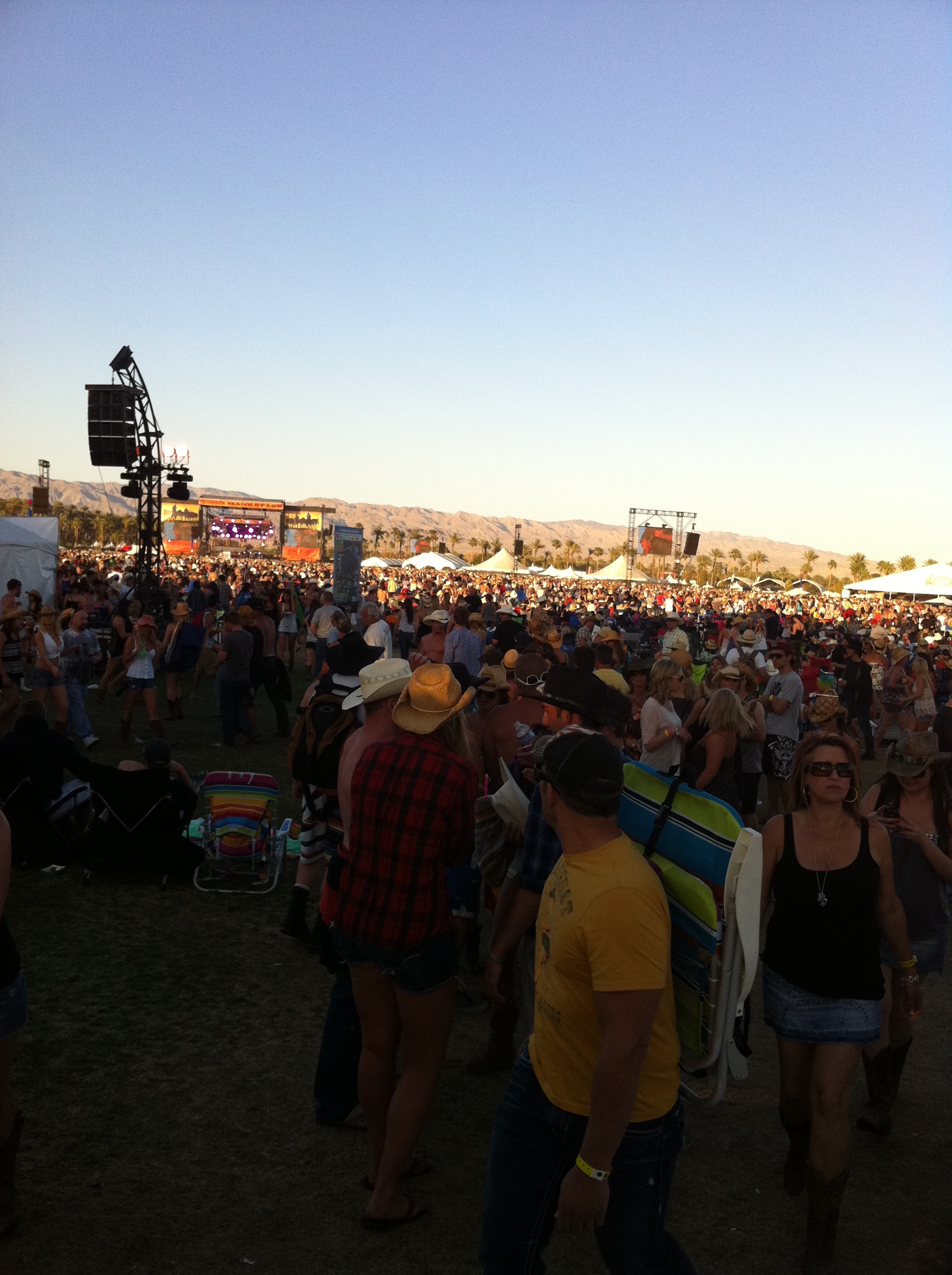
Maintaining editorial context requires what we call a directorial filter. This is the human-in-the-loop mechanism that keeps your production from becoming a mindless automated stream. Even as you use high-speed tools to generate draft copy and social captions, your lead editors must act as directors who shape the narrative. This is especially important for events at the Empire Polo Club where the atmosphere is just as important as the music [2].
Your content should capture the specific desert culture, the dust, and the energy of the crowd. Purely technical production often misses these nuances. By applying a directorial filter, you ensure that every piece of content feels like it was written by someone who was actually there, even if the heavy lifting of the text was handled by a high-velocity backend. Editors should focus on 'vibes and verification'—leaving the structural drafting to the machines while they inject the unique perspective that defines your brand.
Remote Strategy: Leveraging the Amazon Livestream for Global Engagement
Remote strategy is another critical component of the 2026 blueprint. Not every brand has the budget or the logistics to have a full team on the ground in Indio. Fortunately, the global livestream via Amazon provides a massive window for remote engagement [2]. By utilizing social media marketing services, your team can monitor the livestream to create real-time reaction content, setlist updates, and fashion critiques from a centralized hub.
This remote production model allows for a level of scale that is physically impossible for on-site teams. You can cover every stage simultaneously, providing a total view of the festival that a single person on the grounds could never achieve. Furthermore, integrating influencer marketing services into your remote workflow allows you to amplify these digital reactions through a network of creators who can bridge the gap between the stream and the audience. The goal is to create a digital experience for your audience that feels as immersive as the physical event.
Brand Voice Insurance: Protecting Integrity During High-Volume Festival Cycles
Brand voice insurance is the safeguard that keeps your festival coverage from devolving into technical debt. When you are pushing out dozens of updates a day, it is easy for your tone to become inconsistent. One post might sound like a corporate press release while the next sounds like a frantic fan tweet. To avoid this, you must implement editorial guardrails for ai that lock in your specific tone and vocabulary.
This ensures that whether you are reporting on Lainey Wilson’s stage presence or the availability of festival passes [2], the voice remains unmistakably yours. Protecting your brand identity during high-volume cycles is the only way to build long-term loyalty with your readers. You want them to come back to you because they trust your perspective, not just because you were the fastest to post. Consistency across a thousand assets is the ultimate flex for a modern media organization.
The Three-Phase Workflow: Planning, Generating, and Reviewing 2026 Assets
To achieve this level of efficiency, we recommend an integrated workflow. This separates the creative labor from the technical generation, allowing your team to move faster without burning out. By treating festival coverage as a structured production pipeline, you remove the guesswork from the high-pressure weekend.
Phase Details: From Ingestion to Publication
First is the planning phase, where you ingest all known data including the confirmed 2026 dates of April 24 through April 26 [2]. Second is the generating phase, where you produce a library of evergreen and reactive assets. Finally, there is the reviewing phase, where human editors validate the output before it goes live. This is very similar to a country calling content workflow where the volume of news can easily overwhelm a manual team. By segmenting your production into these three phases, you create a sustainable engine that can run for the entire duration of the festival without error.
The official Stagecoach set-times page now groups Friday, Saturday, and Sunday schedule assets [3]. That changes the workflow: editors should build daily run-of-show explainers, livestream reminders, and artist-specific social posts from verified schedule data instead of relying on rumor-led placeholders.
Stagecoach vs. Coachella: Navigating the 2026 Digital Growth Niche
There is a growing strategic niche in the debate between Stagecoach and Coachella. While Coachella often dominates the conversation regarding global pop and indie music, Stagecoach has carved out a distinct and high-growth position as the premier country event. For brands and media outlets, this means there is less competition and a more dedicated, high-intent audience to capture.
Your Stagecoach 2026 lineup content strategy should lean into this cultural distinction. Focus on the crossover appeal of the headliners while respecting the traditional roots of the genre. The 2026 lineup is perfectly positioned to bridge this gap, offering a wealth of storylines that appeal to both hardcore country fans and general music enthusiasts. If you can speak to both groups effectively, your growth potential is significantly higher than it would be in a more saturated market. Stagecoach offers a 'loyalist' audience that typically provides higher lifetime value than the more transient pop audience.
Sovereign Production Models: Scaling Independent Media with AI Blogger
As you look toward the 2026 festival season, the need for sovereign production models becomes clear. Media houses must own their production engines rather than being at the mercy of third-party platforms that can change their algorithms at any moment. By using specialized services to build your own content pipelines, you gain the freedom to grow as much or as little as you need.
This independence is what allows you to compete with much larger organizations. You no longer need a hundred writers to cover a festival like Stagecoach. You need a smart strategy, a few talented directors, and a production engine that can handle the volume of the 2026 cycle. This is how you win in the digital sky. By moving production in-house with advanced automation, you insulate your brand from the volatility of the freelance market and rising labor costs.
Preparing for the Stagecoach 2026 lineup content strategy requires a shift in how you view event coverage. You are no longer just reporting on the news; you are managing a complex data pipeline that must deliver high-quality results under extreme pressure. From the initial announcement of headliners like Post Malone and Cody Johnson to the final notes of the Sunday night set, your brand must be present and authoritative. If you are ready to expand your media output and protect your brand voice during the busiest festival season yet, Digital Corvids is here to help. Reach out to us today to learn how our AI Blogger service can transform your festival coverage into a high-velocity production engine that outpaces the competition while maintaining the highest editorial standards.
Sources
- [1] Variety: Stagecoach 2026 Lineup: Post Malone, Lainey Wilson, Cody Johnson Headline
- [2] Stagecoach Music Festival Official Site
- [3] Stagecoach 2026 Set Times
- [4] AXS: Stagecoach Country Music Festival 2026
- [5] Pitchfork: Stagecoach Festival 2026 Lineup Announced
- [6] Wikimedia Commons: Stagecoach 2011 entrance

FAQ
Frequently Asked Questions
Where is the Stagecoach Festival 2026 located?
Stagecoach 2026 takes place at the Empire Polo Club in Indio, California, during the April 24-26 festival weekend. The venue is the long-standing desert home for the event and shares the broader Coachella Valley festival context.
Who are the headliners for the Stagecoach 2026 lineup?
The 2026 headliner roster features Cody Johnson, Lainey Wilson, and Post Malone. The lineup blends traditional country, mainstream crossover appeal, and supporting acts across country, rock, and pop-adjacent audiences.
Where can teams verify Stagecoach 2026 set times?
Teams should verify daily artist schedules on the official Stagecoach set-times page, which now provides Friday, Saturday, and Sunday set-time assets. This should be the source of truth before publishing artist-specific updates.
How can brands execute an effective Stagecoach 2026 lineup content strategy?
Brands should use a three-phase workflow: plan from verified official sources, generate reusable festival assets, and review every post through a human editorial filter. This keeps high-volume coverage fast, accurate, and aligned with brand voice.
How does the global livestream affect Stagecoach 2026 engagement?
The global livestream creates a remote content opportunity for reaction posts, setlist updates, and social coverage. Teams can cover the festival from a central hub while still linking every update back to verified official schedule and lineup information.
Is Stagecoach bigger than Coachella?
Coachella usually dominates broader pop-culture attention across two weekends, while Stagecoach is a focused country and crossover event with a dedicated high-intent audience. For festival media strategy, Stagecoach can be more efficient because the audience intent is narrower and easier to serve.
Share this article
Spread the knowledge