Which SEO Platforms Offer Reliable API Access For Automated Data Retrieval?
Compare SEO platform APIs for automated data retrieval across SERP scraping, backlink graphs, and packaged metrics to build dependable data pipelines.
On This Page
Categories of Reliable SEO APIs for Automated Data Retrieval
For growing teams maintaining internal dashboards and client reporting, automated pipelines replace the chore of manually exporting 20 CSV files every Monday by pulling search data directly into your warehouse on schedule (StoryLab.ai). The market for automated data retrieval spans several operational models, ranging from live SERP scraping endpoints to large databases housing historical keyword records (IPRoyal). Selecting the right service requires matching your exact payload volume and engineering limits against the way each vendor structures its data access.
Core Platform Architecture Categories
- Real-time SERP APIs: These services parse live search engine result pages on demand to extract positions, snippets, and local pack listings without requiring internal proxy fleets. They serve pipelines that need live verification across regional locations.
- Historical metric and keyword databases: These vendors expose indexed datasets of search volume trends, keyword difficulty, and intent groupings, removing the need to track millions of search queries directly.
- Graph backlink APIs: Building backlink tools demands massive link graphs that small teams cannot crawl independently. These APIs deliver domain relationships, referring domains, and anchor distributions directly into reporting tools.
- All-in-one SEO platforms: Comprehensive suites bundle SERPs, rank tracking, site audits, and backlink graphs under unified subscription tiers, often alongside integrations for platforms like Google Analytics, Looker Studio, and Google Search Console.
When SMBs evaluate the top software suites in this space, platforms like Semrush, Ahrefs, Moz, SE Ranking, and DataForSEO commonly anchor discussions. Choosing between them depends heavily on extraction frequency and architecture.
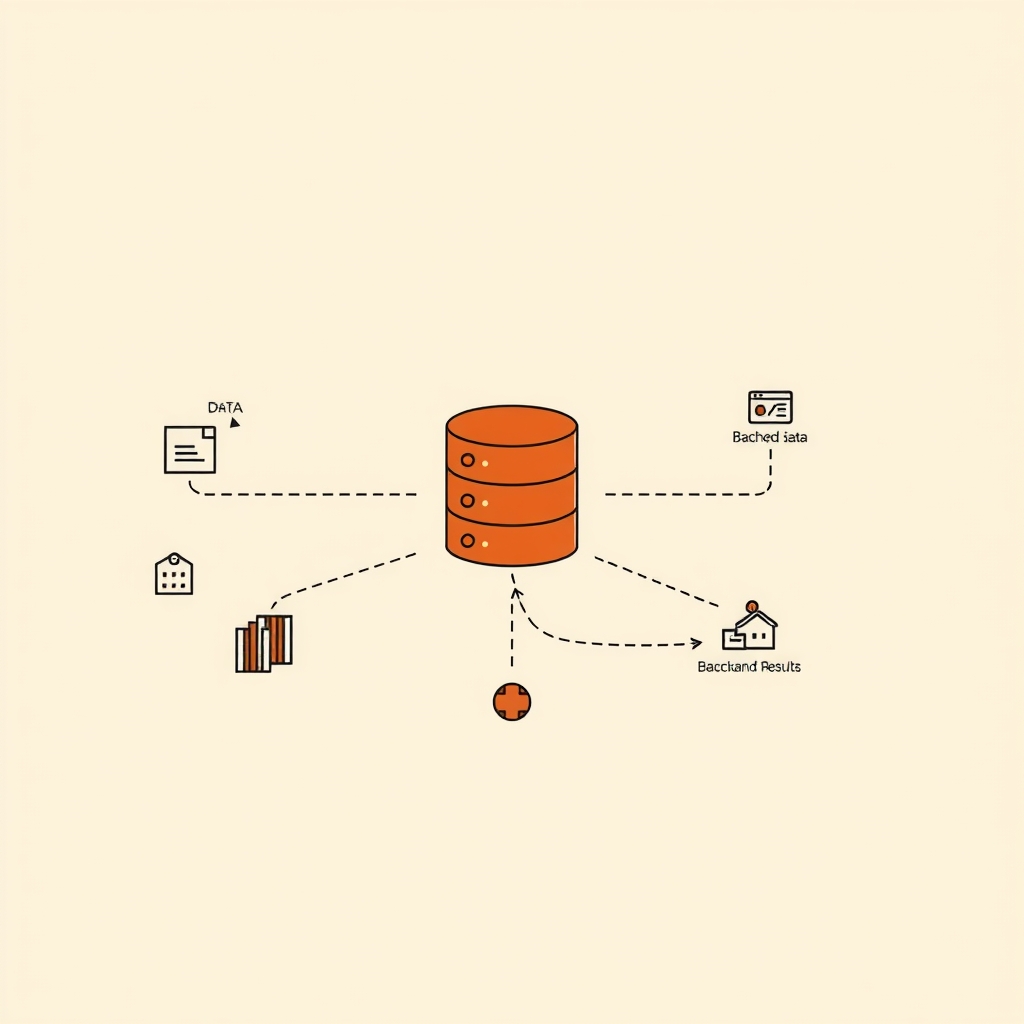
Consider an agency building automated weekly ranking dashboards for fifty client domains. Running recurring live SERP calls across thousands of target terms consumes substantial real-time query credits and introduces retry latency whenever endpoints encounter 429 status codes. Conversely, an all-in-one provider or an integrated metric database lets the pipeline extract cached domain-level metrics and aggregate backlink tables in batched jobs. That approach reduces credit consumption and lowers the ongoing maintenance overhead for your developers.
Endpoint Coverage and Core Capabilities Across Leading Providers
Selecting an automated retrieval solution requires matching your pipeline architecture against what each endpoint delivers natively. While all major options provide structured REST interfaces returning standard JSON payloads, their data catalogs, consumption limits, and unit models diverge significantly.
| Provider | Architecture | Endpoint Scope | Billing Structure | Primary Fit |
|---|---|---|---|---|
| SE Ranking | REST API | Keywords, SERPs, backlinks, audits | Subscription plus credits | Agencies and automation workflows |
| DataForSEO | REST API | Live SERPs, keywords, backlinks, audits | Pay-per-request | Developers and data resellers |
| Semrush | REST API | Keywords, SERPs, backlinks, audits | Subscription plus units | Enterprise and large agencies |
According to an industry comparative guide, leading vendors span combinations of keyword metrics, search results, backlink indices, competitor data, technical site audits, rank tracking, and historical search records.
Developer overhead shifts the decision. Suppose a small team needs to monitor rankings across several hundred regional search terms each morning and run monthly technical health crawls. Choosing an enterprise subscription with unit add-ons such as Semrush demands substantial fixed monthly spend, which can exceed the budget for a modest internal dashboard.
A developer-focused engine like DataForSEO charges per request instead of requiring a recurring seat license. That model keeps baseline infrastructure spend low for sporadic batches, but your engineers must build custom error-handling workflows, task polling routines, and result parsers from scratch.
Teams wanting turnkey endpoints without custom parser construction often balance credits and maintenance overhead. For instance, the SE Ranking Core Plan costs $103.20 billed annually for 25,000 API credits. It bundles rank tracking, keyword research, site audits, and reporting integrations. Evaluating whether your monthly retrieval jobs fit within bundled allotments or require raw on-demand request billing defines the optimal integration path.
Operational Constraints, Rate Limits, and Integration Overhead
Engineering strong ingestion workflows requires balancing rate limits, pagination controls, and operational overhead. For growing businesses and agency development teams, selecting which platforms provide reliable automated access hinges on matching endpoint mechanics directly to workload shape.
Handling Throttling and Status Codes
Rate restrictions establish the baseline ingestion speed of your search data extraction. When client workers fire concurrent jobs beyond agreed thresholds, the host server halts intake to protect infrastructure. Vendors with developer-ready infrastructure return standard HTTP status codes like 429 for rate limits, allowing engineers to design automated retry mechanisms with exponential backoff and jitter rather than parsing ad-hoc JSON errors. When an interface fails to deliver clean HTTP status feedback, error handling becomes brittle and pipeline debugging overhead escalates rapidly.
Volume Constraints and Audience Fit
Different retrieval tasks dictate whether small and medium businesses should deploy raw scraping connectors or all-in-one datasets. A dedicated SERP API fits scenarios where your application only requires real-time search results, whereas an all-in-one data provider serves systems that also rely on historical metrics, such as backlink data.
To see how technical boundaries govern platform fit across business sizes, contrast two typical data retrieval requirements:
- High-frequency retail visibility: Suppose an e-commerce retailer tracks immediate search placements for ten thousand regional catalog listings. Utilizing a live scraping interface satisfies real-time accuracy, yet strict requests-per-second caps force the pipeline to distribute queries across extended execution windows. Developers must maintain asynchronous queues to absorb transient 429 throttling.
- Agency cross-channel audits: Conversely, an agency performing monthly client health checks requires broad domain profiles rather than minute-by-minute SERP changes. Running thousands of individual live queries would burn credits quickly. Instead, querying an all-in-one provider's indexed dataset aggregates historical ranks and backlink counts in single batched payloads, minimizing active engineering overhead despite strict endpoint pagination limits.
Evaluating pagination depth, credit depletion per page offset, and HTTP response reliability ensures your team selects an architecture aligned with internal developer bandwidth.
Documented Analysis and Decision Matrix for API Selection
Determining which platforms offer reliable automated access hinges on matching pricing tiers and architectural limits to internal team capabilities. Small and medium businesses alongside growing marketing teams frequently face a structural choice: adopt subscription suites with bundled credit allotments or deploy pay-as-you-go metric endpoints. Metered raw vendors charge exclusively for endpoint execution, which prevents paying for unspent platform quotas during low-volume cycles.
Operational Decision Matrix
| Platform Category | Primary Ingestion Focus | Billing Architecture | Operational Overhead | Audience Fit |
|---|---|---|---|---|
| Pay-As-You-Go Raw SERP and Keyword Endpoints | Batched keyword volume, live SERP scraping, task-based retrieval | Task-based metering ($0.09 per live task with DataForSEO) | High: requires bespoke ingestion workers, queue retries, and data parsing | SMBs and agencies with dedicated engineering building custom software |
| All-In-One SEO Software Suites | Keyword rankings, domain crawls, backlink indexes | Recurring monthly or annual plans with bundled credit tiers | Low: pre-built data structures, out-of-the-box reporting, turnkey documentation | Lean marketing departments needing immediate dashboards without custom development |
| Digital PR and Link Marketplace Endpoints | Catalog link evaluations, media metrics, placement availability | Pay-per-placement models or platform balance access | Moderate: media catalog filters and webhook integration | In-house outreach teams and agencies executing automated link acquisition |
Batch Capacity and Engineering Trade-Offs
Payload capacity directly shapes the engineering overhead of automated ingestion routines. High-capacity endpoints reduce recurring network transactions by processing deep datasets within unified requests. When auditing backlink profiles, API capabilities documented by Growwer include pagination handling up to 100,000 backlinks per call, alongside simultaneous requests covering up to 5,000 keywords. Growwer also notes programmatic access to a marketplace of more than 30,000 verified media outlets and blogs for querying metrics and placement availability.
To understand how operational constraints dictate platform fit, consider an illustrative scenario involving an SMB digital agency that refreshes keyword metrics for 4,000 terms twice monthly. Under a task-metered model handling 1,000 keywords per batch, the pipeline executes only eight tasks across the month, keeping monthly software spend minimal. However, this path demands internal developer hours to construct request polling, parse raw response schemas, and store historical rows in a local database. If that agency lacks dedicated engineering staff, absorbing the ongoing integration maintenance can easily cost more in developer time than paying for a pre-configured platform subscription with out-of-the-box reporting interfaces.
When evaluating automated pipelines, audit your monthly query cadence against engineering support before committing to an architecture. Organizations seeking specialized technical support can evaluate strategic integration guidance through professional search marketing services.
Selecting the Right API Platform and Implementation Support
Choosing an API for ongoing data ingestion comes down to three operational variables: monthly request volume, infrastructure budget, and in-house engineering capacity. According to IPRoyal, finding the right tool depends entirely on what your team is building, your budget, and your data volume.
Mapping Pipeline Constraints to Platform Architecture
To see how technical overhead influences architecture choices, consider a hypothetical regional business managing recurring ranking checks for a medium-sized web catalog. If internal engineers build a direct connector to raw SERP scrapers, the company assumes full responsibility for payload normalization, parsing updates, IP rotation, and retry queues whenever search layouts shift. That architecture allows precise control, yet it demands active developer hours every time an endpoint breaks.
Conversely, choosing an all-in-one provider abstracts parser maintenance by serving standardized JSON schemas for search positions, historical volume, and site health. As IPRoyal notes, an all-in-one data API like DataForSEO serves teams looking to build an integrated system without coordinating multiple external vendors. The trade-off shifts from upfront code maintenance to unit consumption: your team pays for managed data cleanliness instead of allocating developer sprints to fix broken parsers.
Evaluate your technical capabilities honestly before committing resources:
- High developer capacity, low metric complexity: Raw scrapers provide economical execution when you only need live result extraction and maintain dedicated engineers to manage structural changes.
- Limited developer capacity, multifaceted data needs: Unified database endpoints minimize architectural overhead when your dashboards require backlink counts, historical trends, and keyword rankings together.
Building an automated retrieval system should streamline operations rather than drain technical resources. Teams that require custom data pipelines, enterprise analytics connectors, or managed infrastructure can align their growth roadmap with dedicated seo services. When internal development teams need architectural guidance or tailored implementation support, you can contact digital corvids to plan an integration that matches your exact data throughput.
Related Services
Turn This Strategy Into Execution
Explore the Digital Corvids services that connect most directly with this article.
Sources
Research References
Share this article
Spread the knowledge